

Introduction
In today's fast-paced world, uninterrupted power supply is essential for both residential and commercial settings. Power outages can occur due to various reasons such as natural disasters, equipment failure, or grid overloads. To ensure continuity of operations and prevent inconvenience, backup power solutions are necessary. One of the most reliable and widely used backup power sources is the diesel generator. In this comprehensive guide, we will explore the functionality, benefits, applications, maintenance, and environmental impact of diesel generators for backup power.
Functionality of Diesel Generators
Diesel generators are combustion engines that convert diesel fuel into electrical energy. They consist of an engine, alternator, fuel system, cooling system, and exhaust system. When the generator is started, the diesel fuel is injected into the engine where it is compressed and ignited, producing mechanical energy. This energy is then converted into electrical energy by the alternator, which generates electricity that can be used to power various electrical devices and systems.
Diesel generators come in different sizes and power capacities to suit different requirements. They can be portable, standby, or prime generators, depending on the intended use. Portable diesel generators are typically used for small-scale applications such as camping, outdoor events, or as a temporary backup power source. Standby generators are designed to provide backup power in case of grid failure and are commonly used in residential, commercial, and industrial settings. Prime generators are used as the primary source of power in off-grid locations or remote sites where access to the main power grid is limited.
Benefits of Diesel Generators for Backup Power
There are several advantages to using diesel generators for backup power:
1. Reliability: Diesel generators are known for their reliability and durability. They can run for extended periods without overheating or breaking down, making them ideal for continuous operation during power outages.
2. Cost-effectiveness: Diesel fuel is generally more affordable than other fuels such as gasoline or natural gas, making diesel generators a cost-effective option for backup power.
3. Fuel efficiency: Diesel engines are more fuel-efficient than gasoline engines, resulting in lower fuel consumption and reduced operating costs over time.
4. Industrial Diesel Generator : Diesel generators require minimal maintenance compared to other types of generators. Routine checks and servicing can help prolong the lifespan of the generator and ensure optimal performance.
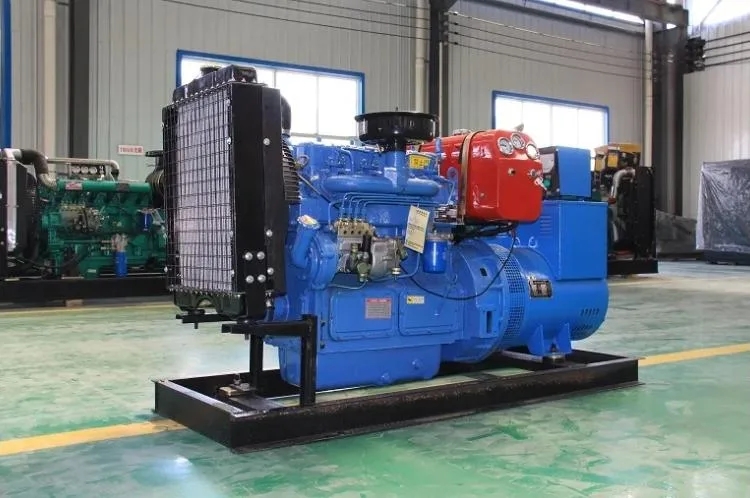
5. Quick start-up time: Diesel generators can start up quickly and provide power within seconds of a power outage, ensuring minimal disruption to operations.
Applications of Diesel Generators
Diesel generators are versatile power sources that find applications in various industries and settings. Some common applications of diesel generators for backup power include:
1. Residential backup power: Diesel generators are often used in homes to provide backup power during outages. They can power essential appliances such as refrigerators, lights, and heating systems, ensuring comfort and safety for residents.
2. Commercial backup power: Businesses rely on diesel generators to maintain operations during power failures. Industries such as hospitals, data centers, telecommunications, and manufacturing facilities require uninterrupted power supply to prevent downtime and financial losses.
3. Construction sites: Diesel generators are commonly used on construction sites where access to the main power grid is limited. They power tools, equipment, and temporary facilities, enabling construction projects to proceed smoothly.
4. Events and outdoor activities: Diesel generators are used to provide temporary power for outdoor events, concerts, festivals, and recreational activities. They can support lighting, sound systems, food vendors, and other event infrastructure.
5. Remote locations: Diesel generators are essential in remote locations such as mining sites, oil rigs, and rural areas where access to electricity is limited. They serve as the primary source of power for operations in these isolated areas.
Maintenance of Diesel Generators
Proper maintenance is crucial to ensure the reliable performance and longevity of diesel generators. Here are some key maintenance practices to keep diesel generators in optimal condition:
1. Regular inspections: Conduct visual inspections of the generator, fuel system, cooling system, and electrical components to detect any signs of wear, leaks, or damage.
2. Fuel quality: Use clean and high-quality diesel fuel to prevent contamination and ensure efficient engine operation. Monitor fuel levels regularly and refill as needed.
3. Oil and filter changes: Change the engine oil and oil filter at regular intervals as recommended by the manufacturer. Clean oil helps lubricate the engine and prevent friction and wear.
4. Cooling system maintenance: Check the coolant level, hoses, and radiator for leaks or blockages. Ensure that the cooling system is functioning properly to prevent overheating.
5. Battery maintenance: Inspect the battery for corrosion, leaks, and proper connections. Keep the battery charged and replace it when necessary to ensure reliable start-up.
6. Load testing: Periodically test the generator under load conditions to ensure it can handle the required power output. This helps identify any issues with the generator's performance.
Environmental Impact of Diesel Generators
While diesel generators offer numerous benefits for backup power, they also have environmental implications that need to be considered. The combustion of diesel fuel produces emissions such as nitrogen oxides (NOx), particulate matter, and carbon monoxide, which contribute to air pollution and climate change. To mitigate the environmental impact of diesel generators, it is essential to adopt the following practices:
1. Emission controls: Install emission control devices such as catalytic converters and particulate filters to reduce harmful emissions from diesel generators.
2. Fuel efficiency: Choose fuel-efficient diesel generators that consume less fuel and produce lower emissions per unit of power generated.
3. Proper maintenance: Regular maintenance and tuning of diesel generators help optimize fuel combustion and reduce emissions. Keep the engine clean and well-tuned to minimize pollution.
4. Renewable energy integration: Consider integrating renewable energy sources such as solar panels or wind turbines with diesel generators to reduce reliance on fossil fuels and lower emissions.
5. Compliance with regulations: Ensure that diesel generators comply with environmental regulations and emissions standards set by local authorities to minimize pollution and protect the environment.
Conclusion
Diesel generators are reliable, cost-effective, and versatile backup power sources that play a crucial role in ensuring uninterrupted power supply in various settings. By understanding the functionality, benefits, applications, maintenance, and environmental impact of diesel generators, users can make informed decisions regarding the implementation of backup power solutions. Proper maintenance practices and environmental considerations are essential for maximizing the performance of diesel generators while minimizing their impact on the environment. With careful planning and adherence to best practices, diesel generators can provide reliable backup power when needed most.